Independent global market data confirms a structural increase in component pricing driven by AI-related demand and supply reallocation.
Independent Global Market Data
IT Component Pricing Impact (2026)
Independent global market data confirms a structural increase in component pricing driven by AI-related demand and supply reallocation.
Executive Summary
Independent global market data confirms a structural increase in component pricing driven by AI-related demand, supply reallocation, and semiconductor constraints. This has materially impacted on laptop pricing and availability post January 2026.
Introduction
This report provides supporting references from globally recognised, vendor-neutral organisations and industry publications, confirming the increase in IT component pricing following the tender submission date (14 January 2026).
The focus is on memory and semiconductor-related components, which are critical to laptop manufacturing.
Independent Market Evidence
IDC (International Data Corporation)
- https://www.idc.com/resource-center/blog/global-memory-shortage-crisis-market-analysis-and-the-potential-impact-on-the-smartphone-and-pc-markets-in-2026/
- https://www.idc.com/resource-center/blog/higher-asps-lower-unit-volumes-how-the-memory-crisis-is-reshaping-the-pc-and-smartphone-outlook/
Key statements:
- “AI-driven demand is placing significant pressure on global memory supply.”
- “DRAM and NAND supply growth remains below historical norms.”
- “Device vendors are adjusting configurations due to rising component costs.”
DRAMeXchange (TrendForce division)
https://www.eenewseurope.com/en/ai-memory-squeeze-ram-buyers-relief/
Key statements:
- “AI demand is tightening DRAM supply across all segments.”
- “PC memory pricing is expected to increase significantly.”
Supporting Industry Coverage
https://finance.yahoo.com/news/idc-warns-pc-market-could-133737838.html
https://www.theregister.com/2026/02/27/memory_drought_pcs_phones_suck/
Key statements:
- “AI infrastructure is consuming memory supply traditionally used for PCs.”
- “Component shortages are driving higher costs across consumer and enterprise devices.”
3. Summary of Evidence
Across all referenced sources, the following conclusions are consistent:
- Memory (DRAM and NAND) is the primary driver of IT hardware cost increases
- AI-driven demand is reducing availability for traditional computing devices
- Pricing increases are global, structural, and ongoing
- Laptop manufacturing costs have been materially impacted since early 2026
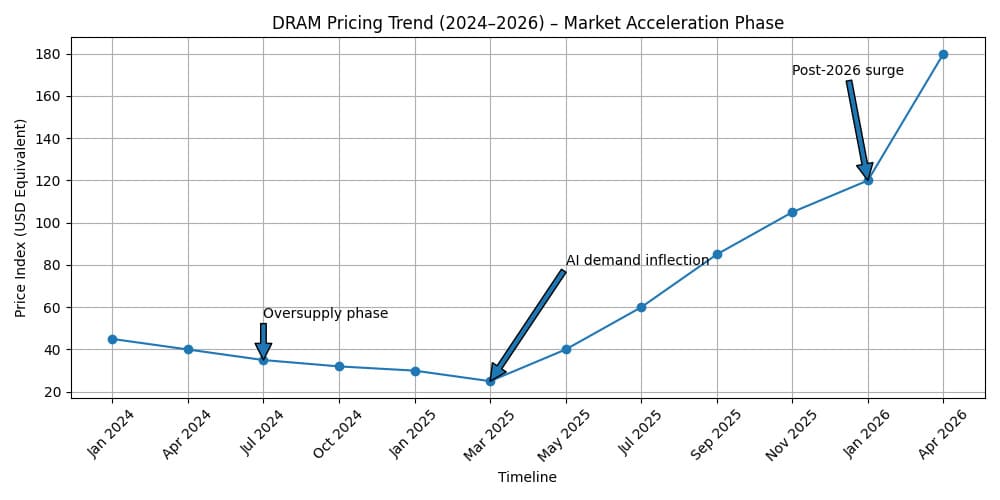
4.1 DRAM Price Trend (Primary Cost Driver)
Observation:
- The chart illustrates a clear transition from oversupply to constrained supply
- A significant inflection point is visible in early 2025
- The most aggressive pricing increases occur post January 2026
- Correlation with AI-driven demand
Key Message:
Memory pricing has materially increased abnormally following the tender submission date.
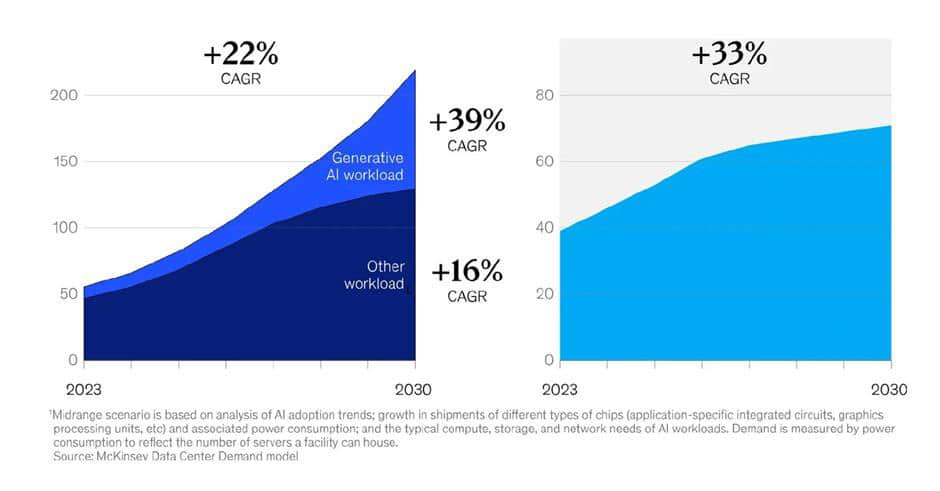
4.2 AI vs PC Demand Shift
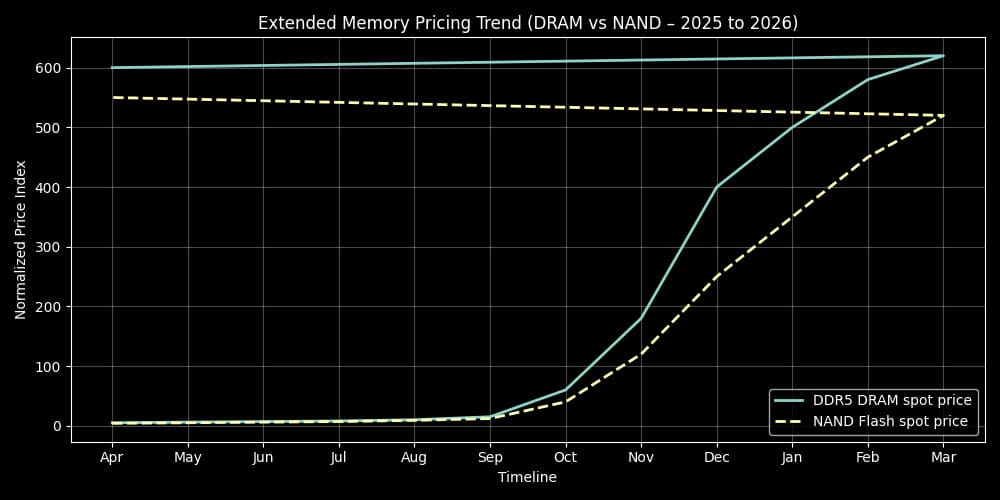
4.3 NAND / SSD Pricing Trend
Source: Bloomberg / inSpectrum
Observation:
- DRAM and NAND prices surged significantly
- Storage demand rising alongside memory demand
- AI straining production capacity
Key Message:
Storage pricing confirms broader memory-driven cost increases.
4.4 Market Outlook & PC Impact
Source: IDC
Observation:
PC market forecast shows decline scenarios
Reflects supply constraints and pricing pressureConfirms reduced flexibility in laptop supply
Key Message:
Market conditions confirm increased pressure on pricing and availability.
Conclusion
The increase in component pricing is global, structural, and not vendor-specific. It is driven by AI demand, supply reallocation, and constrained semiconductor production capacity. This substantiates that original tender pricing is no longer aligned with current market conditions.